With Brisbane’s rental vacancy rate down to just 0.9% (3,065 vacancies) as of July 2026, more investors than ever are looking at dual income property structures to squeeze more rental yield out of a single block. But far too often, these three terms get thrown around interchangeably, despite being vastly different asset types with vastly different titles, approvals, and risks. As your Brisbane buyer’s agent, here’s my short version.
Duplex
Meaning: Two separate, complete dwellings under one roof, joined by a common wall, each with its own entrance. Most duplexes can be strata or Torrens titled, meaning each side has its own individual title and can be sold, financed, or held separately from the other.
Key point: Duplexes offer maximum flexibility. You can live in one side and rent the other, sell one and keep one, or sell both individually down the track. This elasticity does come at a cost, though: subdividing a duplex into separate titles could add $15,000 to $40,000 or more in legal, surveying and council contribution costs on top of the build. It’s a cost worth budgeting for from day one, and certainly not one you want to be blindsided with at the tail end of a project!
Dual Occupancy
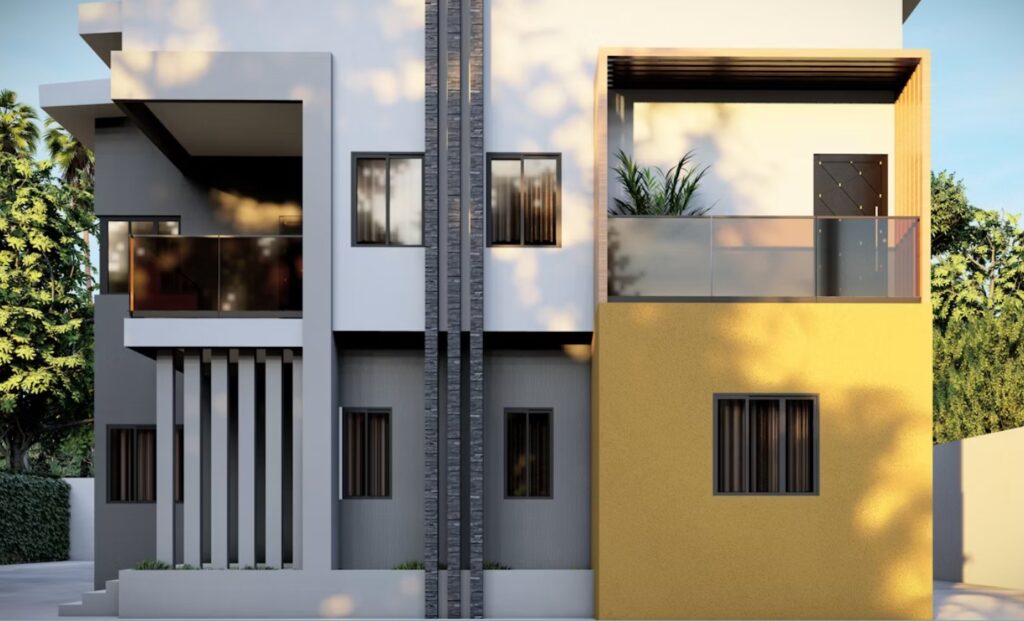
Meaning: Two dwellings on one lot and one title, either attached or detached. In the Brisbane City Council Plan, this is the formal planning term that covers duplex-style developments, too. The dwellings usually have separate entrances and separate water and power metering, but they sit under a single title and one set of council rates…Unless the land is later subdivided.
Key point: you can’t sell the two dwellings separately unless you go through a subdivision approval process with council first. As a general guide, dual occupancy is often only achievable as accepted development (no development application needed) on sites of around 800m² or more with a frontage over 20 metres. Smaller or narrower blocks will usually need a full development application instead. Site-specific advice from a town planner is crucial here, as exact thresholds vary and City Plan provisions are updated periodically.

Dual Key
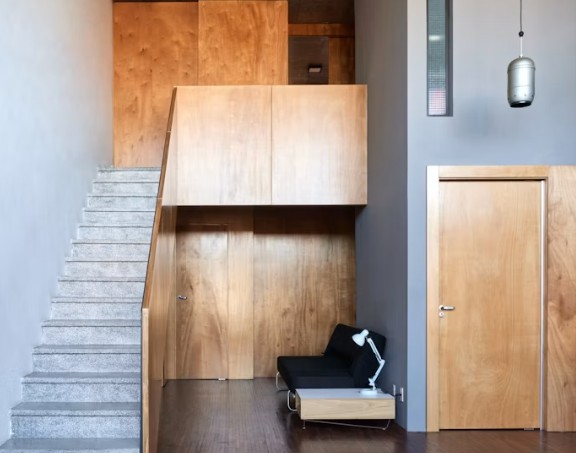
Meaning: One single dwelling, on one title, designed with two self-contained living areas that can be tenanted separately, often sharing a single street-facing entrance or foyer. From the street, a dual key home is built to look like an ordinary house.
Key point: it’s still legally one dwelling. There’s no separate title, no separate address in most cases, and you can only ever sell it as a single property. This single-title status also shows up at the bank. Importantly, many lenders count rental income from a second dwelling at only 70% to 80% of its actual value when assessing serviceability, and some treat dual key properties differently to a standard house altogether, which can materially change your borrowing capacity for the next purchase.
Why The Difference in Dual Income Properties Matters in Brisbane
This isn’t just a matter of semantics. Brisbane City Council has issued breach notices and fines to owners who rented out what was legally a single dwelling to two separate households without the correct dual occupancy approval. Several of these have been overturned by QCAT, but getting the classification wrong can mean an unapproved, and potentially unrentable, structure on your title.
It’s also worth putting the upside into perspective, because who doesn’t love a good silver lining in property? Standard, single-tenancy houses in Brisbane are currently returning gross rental yields of around 3.2%, well below the 4%–4.5% typical of units and multi-income structures on comparable land. A correctly approved dual occupancy, duplex or dual key can push past that, which is exactly why getting the approval right matters. See, an unapproved structure can’t legally capture that yield gap at all.
Before you buy or build any of these three, confirm:
-
- Whether your zoning and lot size will realistically support dual occupancy or duplex development
-
- Whether your project is code assessable or needs a full development application
-
- Whether your lender will finance a dual key property specifically, since some lenders treat them differently to a standard house
-
- What each option means for your future ability to subdivide, refinance, or sell part of the asset

How Dual Living Options Interact With the 2026 Negative Gearing Changes
Since the negative gearing and CGT reforms passed into law in June 2026, this decision carries extra weight for buyers. Established properties bought after 7:30pm AEST on 12 May 2026 lose the ability to offset rental losses against personal income from 1 July 2027, but eligible new-build dual occupancies, duplexes and dual key homes remain exempt from that change, keeping both negative gearing and existing CGT concessions available. That makes a new-build dual income structure one of the very few investment types that can still combine strong yield with the old tax settings, at least for now.
Which Dual Income Property Suits You?
-
- Want maximum exit flexibility, and are happy to pay for it? A duplex, separately titled, gives you the cleanest path to selling one dwelling and keeping the other.
-
- Want strong dual income without the subdivision cost or council contributions? Dual occupancy on one title is often the more capital-efficient build, provided your site qualifies.
-
- Want a single, straightforward asset that still earns two incomes? Dual key can work but go in with open eyes on financing. Always confirm your lender’s appetite before you fall in love with a floor plan.
Our View
All three options can deliver strong dual income, but they clearly suit different goals. A duplex gives you the most exit flexibility, dual occupancy is often the most land-efficient, and dual key suits investors who want simplicity over separability. The right choice depends on your site, your lender, and how you want this asset to perform for you in five or ten years’ time.
This article is general information only and does not constitute financial, legal, or taxation advice. Planning rules vary by council and site. Always confirm requirements with a town planner and seek independent professional advice before purchasing or building an investment property.