Every buyer’s agent has a story about the house that almost got away with it. The one that photographed beautifully, with ‘just cosmetic’ cracks. The one where the seller’s agent swore, hand on heart, that the bathroom leak was ‘an old issue’, already fixed.
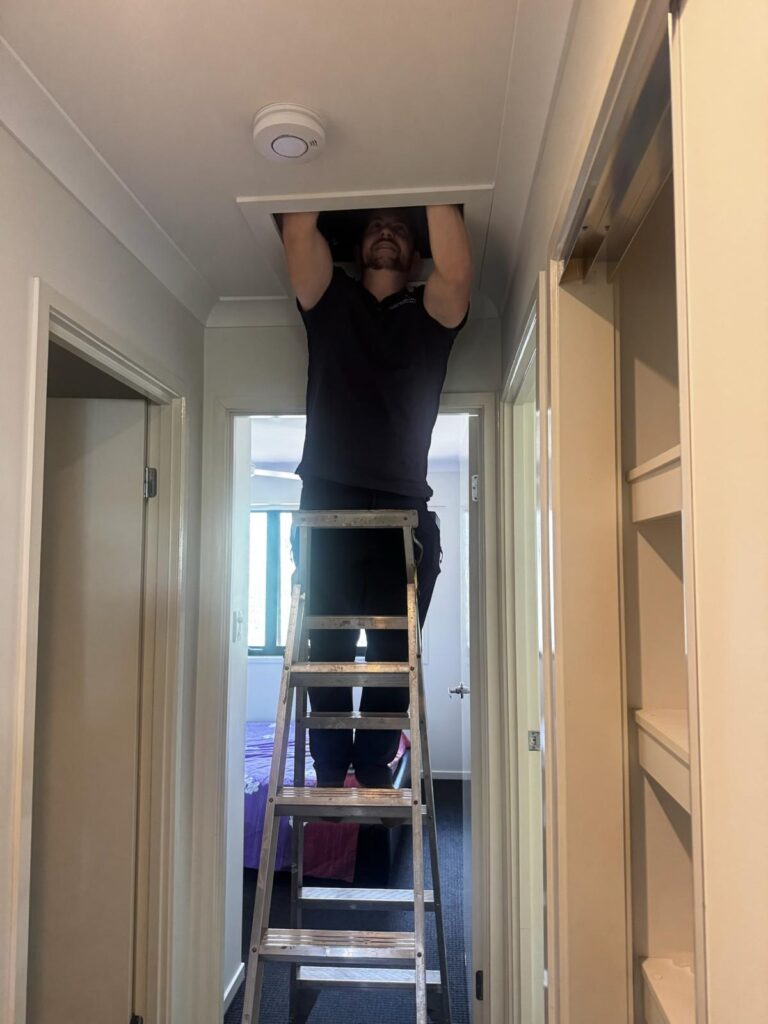
It’s times like this, when Brisbane buyer’s agent Lauren Jones detects a means for suspicion, that she calls the founder of Southern Cross Building Inspections, Anthony Bartzis.
Two Different Jobs, One Shared Obsession
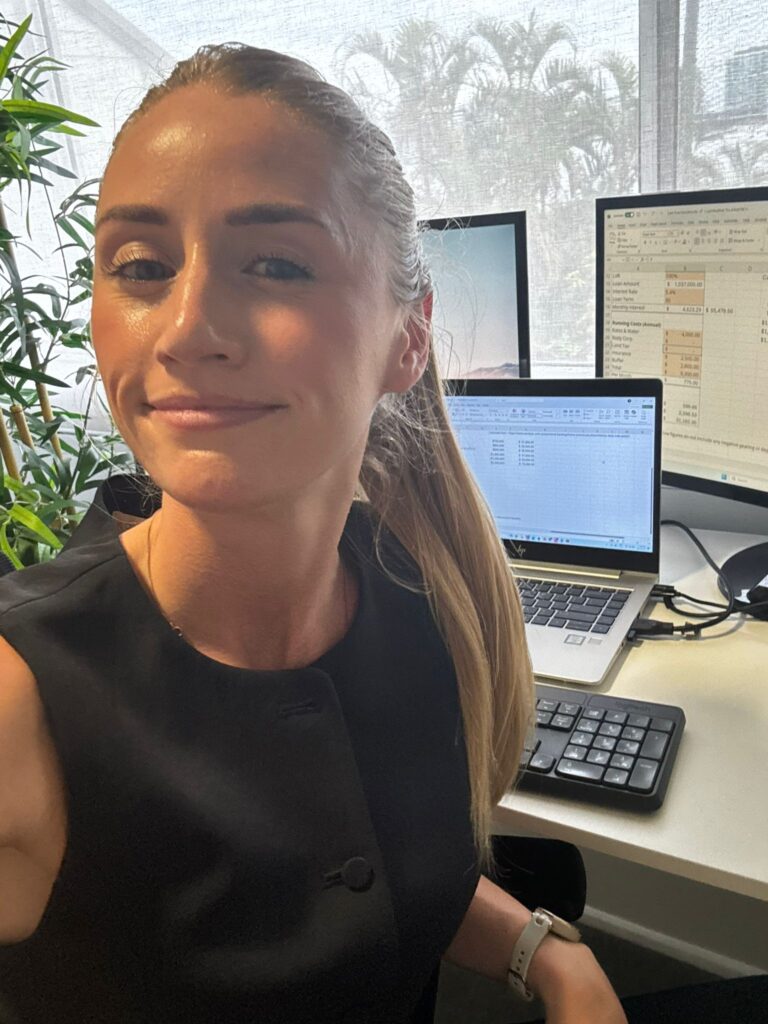
Lauren didn’t start out as a buyer’s agent. She grew up watching her family stretch every pay cheque, dreading birthdays and Christmas for what they’d cost. She promised herself a different life, and instead of waiting for it, she went and built it for herself. A mortgage broking job and a passion for wealth building led her down a rabbit hole of property research; five hours of podcasts a day, a book a week, market data, case studies, decoded jargon. At 25, on a $60,000 income, she scraped together a $20,000 deposit and bought a townhouse in Ascot.
That one purchase has nearly tripled in value. Every property she’s bought since, she says, has been funded off the equity from the one before it. That portfolio is now worth $5 million, built from the same original $20,000 out of pocket! A few years later, after realising she couldn’t find an agency whose ethics matched her own, she started one. Now, Lauren Jones Buyers Agency sports 200+ five-star Google reviews, 400+ property purchases for everyday Australians trying to get ahead, and a team of like-minded women flipping the script on a male-dominated industry.
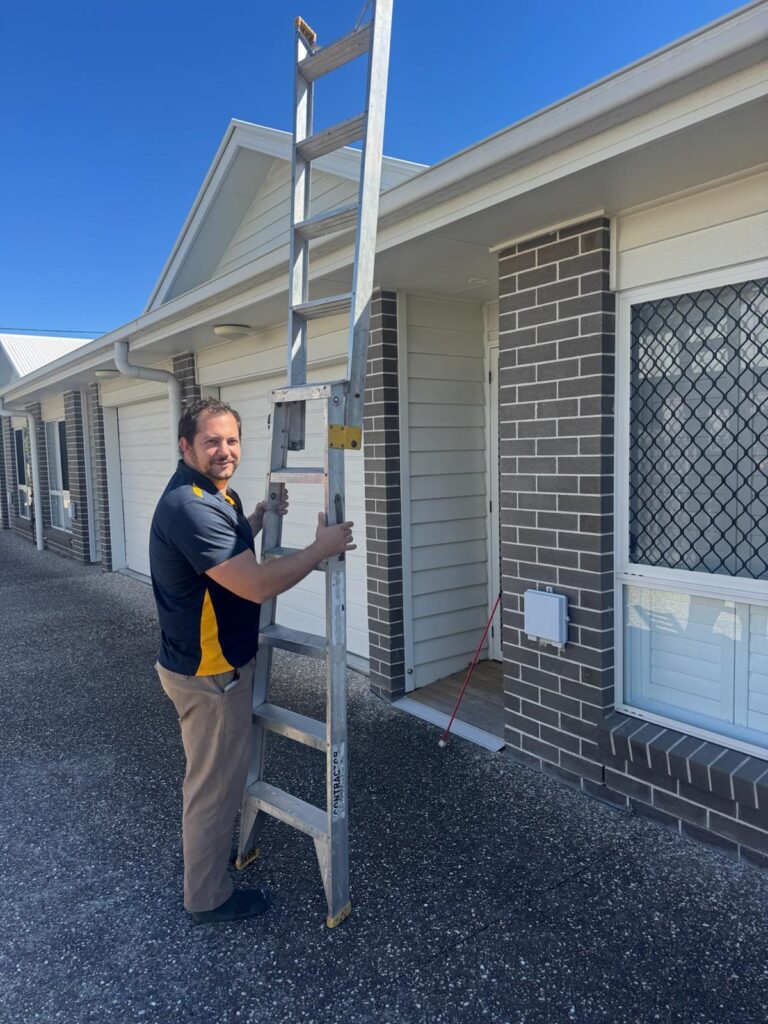
Anthony Bartzis took a different road to the same instinct. He trained as a qualified architect before moving into building, project management and property development. That mix is unusual in the inspection world, and it’s exactly why he founded Southern Cross Building Inspections—to inspect a property the way a builder, an architect and a developer would. Not just the way a standard checklist would. He holds his own QBCC builder’s licence and pest management licence, and he still writes every report himself, straight after the inspection (not weeks later from memory).
Lauren and Anthony may have taken different routes in the world of property, but the tone thing they share is a decent radar for lies hiding under fresh paint.
Why This Partnership Actually Matters to You
Here’s the uncomfortable truth about buying property: the biggest risks are the ones you can’t always see.
A listing photo can’t show you:
- Rising damp creeping up a subfloor
- A waterproofing membrane that’s been “patched” instead of replaced
- Hairline cracking that was thought to be cosmetic, but is really structural
- A stump or bearer quietly failing under a house nobody’s looked beneath in years
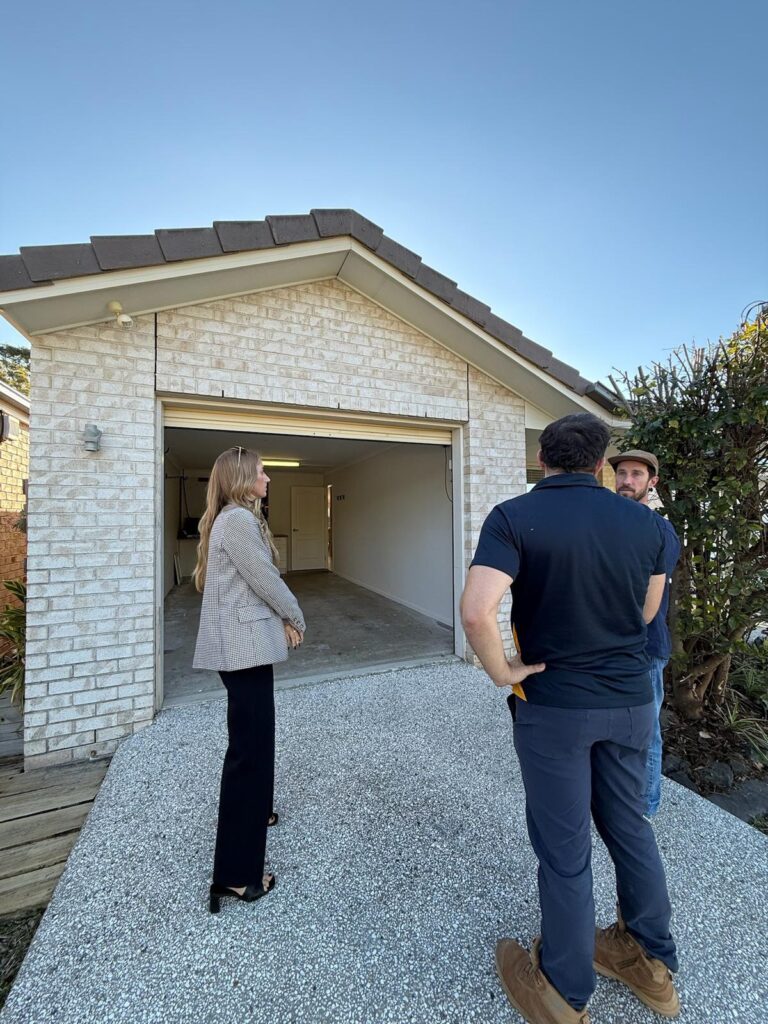
This is where Lauren’s long-term partnership with Anthony earns its keep. For years, the two have worked the same Brisbane properties from opposite ends, with Lauren finding and negotiating the asset, and Anthony pulling it apart looking for the truth. More than once, that’s meant catching a serious defect before a client signed on the dotted line, and ultimately steering someone away from what looked like a dream home and was actually a slow motion money pit. Other times, it’s meant the opposite; reassuring a nervous buyer that a scary-looking defect really was just minor or cosmetic, so they didn’t walk away from a genuinely great asset out of fear.
That’s the real value of a trusted inspector—not just finding problems, but knowing which problems are actually problems.
What Years of Inspections Actually Teach You
Anthony’s reports read less like checklists and more like case files, because the same handful of ‘small’ issues keep showing up wearing a fresh coat of paint.
Here’s a few patterns he flags again and again:
- The ‘Band-Aid’ wet area. A shower or bathroom that’s been resealed on the surface, while the waterproofing membrane underneath is still compromised. Water finds its way through the tiles and into the structure regardless of how fresh the silicone looks.
- Cracking around wet area seals. Hairline cracks where a shower or bath meets the wall are often the first visible sign of movement happening somewhere else in the house.
- Mould behind the wall, not on it. By the time mould is visible on a bathroom wall, it’s frequently already established in the timber framing behind it, from water ingress nobody’s noticed for months.
- Bearing capacity under older or larger homes. Stumps, bearers and posts that were adequate decades ago can be covertly overloaded by renovations or extensions added since, and it only shows up once someone actually gets underneath the house.
- Drainage that only fails in a wet season. A dry inspection can hide poor grading and drainage completely. Flat spots and subtle ground movement are far easier to spot before the ground has had a chance to dry out and disguise them.
None of these show up in a listing photo. All of them show up in a proper inspection.
The Questions Buyers Never Think to Ask
If you’re searching solo, here’s what partnering with these experts teaches you to ask before you go unconditional:
- “Can you show me, not just tell me?” A good inspector reveals what they’re finding as they find it, not in jargon three weeks later.
- “Is this cosmetic, structural, or a symptom of something bigger?” Cracking, staining and doors that stick can all mean nothing, or everything.
- “What’s happening under the house, not just inside it?” Subfloor and drainage issues are invisible from the street and easy for an untrained eye to miss entirely.
- “Would you buy this house yourself?” It’s blunt, but it cuts through a sales pitch faster than any clause in a contract.
The Bottom Line
A great buyer’s agent gets you the right property, at the right price, with the right leverage. A great building inspector tells you the truth about what you’re actually buying. Put those two skillsets in a room together, and you get a genuine safety net for buyers who just don’t know what they don’t know.
Your takeaway: the difference between a $40,000 mistake and a genuinely great buy comes down to who’s standing next to you when you inspect the house. Bring the right people, and you get to buy with confidence instead of crossing your fingers.