
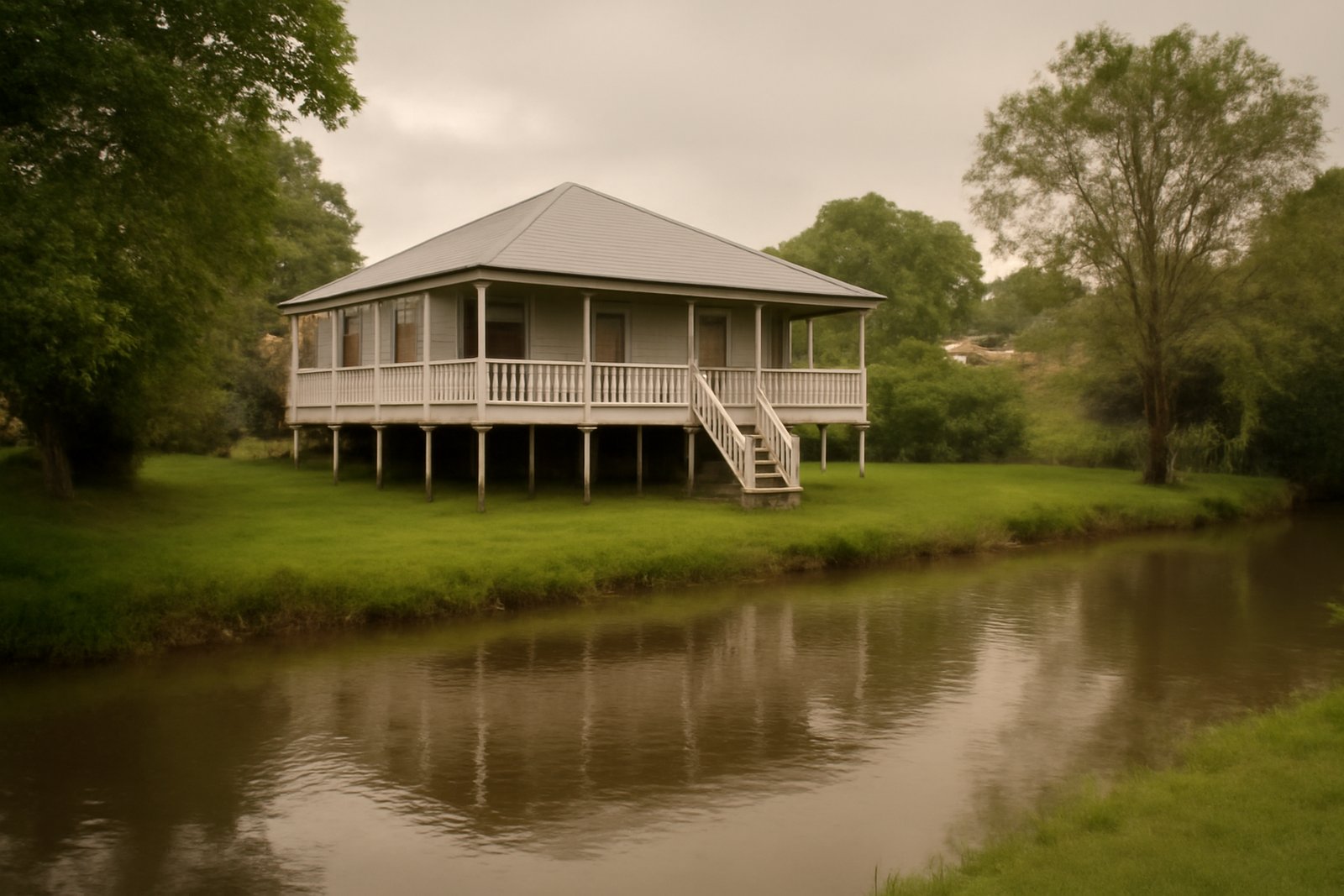
Brisbane is a river city, and most buyers know it. The 1974, 2011 and 2022 floods are still part of local conversation, yet flood risk is often checked late in a purchase, sometimes after the contract is signed. By then, a surprise insurance quote or an overland flow overlay can turn a good buy into a stretch.
Flood checks are not about avoiding every low lying street. Plenty of homes near creeks are sensible purchases. The goal is to understand the risk, price it properly and decide with your eyes open.
Why flood checks belong at the start
A softer market gives buyers a little more room to do their homework. The Australian Bureau of Statistics reports that the total number of new loan commitments for dwellings fell 5.4% in the June quarter 2026, seasonally adjusted. With fewer buyers competing in some segments, there is less excuse to skip due diligence to win a property.
The stakes are also high. The national home loan statistics compiled by Eden Emerald Mortgages put the average Queensland owner occupier loan at $751,000 in the June 2026 quarter, citing ABS data. When that much borrowed money sits behind one address, a few hours spent on flood research is time well spent.
Start with the council flood map
Brisbane City Council’s Flood Awareness Map is the best first stop. Search the address and it shows the types of flooding that could affect the property, such as river, creek, storm tide and overland flow, and how likely each one is. Council also offers a free FloodWise Property Report for individual addresses, which is worth downloading and keeping with your purchase file.
Read the map carefully rather than glancing at the colour. A property can sit outside the river flood area but still be affected by overland flow, which is water running across the ground after heavy rain when drains cannot keep up. Overland flow often catches buyers out because it can affect streets that never went under in a river flood.
Check the land, the house and the access. A home built high on stumps may sit above likely flood levels while the yard, garage or driveway does not. If the street floods, you may be cut off even if the house stays dry.
Look at the history, not just the forecast
Maps model likelihood. History tells you what actually happened. Ask the selling agent directly whether the property was affected in 2011 or 2022, and get the answer in writing if you can. Read any seller disclosure documents carefully, but treat them as a starting point rather than the full story.
Then do your own checking:
- Talk to neighbours. People who have lived in the street for years usually know where water sits after a storm.
- Look for clues at inspections: water lines on walls or fences, new flooring in a lower level, fresh plaster, rust on fixings, or sandbags stored in the garage.
- Ask your building inspector to comment on drainage, ground levels, signs of past water entry and whether downstairs areas have been built in below the original floor level.
Get insurance quotes before you commit
Insurance is where flood risk turns into a number. Two similar homes in the same suburb can attract very different premiums depending on ground level, floor height and past claims in the area.
Before signing, or at least before your cooling off or finance date, get home and contents quotes for the actual address. Ask each insurer whether flood is included, what definition of flood they use, and whether storm and overland water are treated differently. If a quote is unusually high or flood cover is excluded, factor that into your offer or reconsider the purchase.
Remember that premiums are an ongoing cost. A property that saves you $30,000 on price but costs several thousand dollars more each year to insure may not be the bargain it looks like.
Weigh up the risk for your plans
How much flood risk you can accept depends on what you are buying for. An owner occupier with young children may want certainty that the home and street stay accessible. An investor may accept a mapped risk on part of the land if the house sits well above it and insurance remains reasonable.
Also think about resale. Flood information is easy for future buyers to find, so any risk you accept today will be visible to the next purchaser too. A thorough pre purchase inspection can also reveal signs of past water damage, such as stained framing, rusted fixings or patched plasterboard, so it is worth choosing from experienced Brisbane building inspectors and asking them to look closely at the subfloor and lower walls.
A simple flood checklist
- Search the address on the council Flood Awareness Map and download the FloodWise Property Report.
- Ask the agent about 2011 and 2022, in writing.
- Talk to at least one neighbour.
- Ask your building inspector to look for signs of past water entry.
- Get insurance quotes that clearly state whether flood is covered.
- Include the insurance cost in your budget, not just the purchase price.
The bottom line
Flood risk in Brisbane is manageable when you check it early. Use the council map, learn the property’s history, have the building inspected with water in mind and get real insurance quotes before you commit. A home with a known and priced risk can still be a smart purchase. A home with a hidden one rarely is.
Looking for a renovator in Brisbane, or want a second opinion on one you’ve found? Book a call with Lauren Jones Buyers Agency. Call 0414 221 741 or visit www.ljba.com.au.
This article is general information only and is current as at October 2026. It isn’t financial, legal or tax advice and doesn’t take into account your circumstances. Speak to the appropriate professionals before you buy.