
There’s a certain epiphany Brisbane buyers experience somewhere between their late twenties and mid-thirties.
It’s the realisation that the inner-city apartment with polished concrete floors and walking-distance wine bars has lost its grip on you. Suddenly, it’s the music of quiet streets, swaying trees, and kids riding bikes around and kicking footies that draws you in. It’s waking up to birdsong—not hoons—in the early hours. It’s school catchments and smiling neighbours.
There comes a time that all of us crave trading in the hustle n’ bustle for the softer side of life.
At Lauren Jones Buyers Agency, this shift is something we see constantly. Young couples who once swore they’d never leave Brisbane’s inner-ring are now searching as far north as Moreton Bay for space, greenery, community and long-term stability. Not necessarily because they want suburbia in the traditional sense, but because they want a place where time slows down and the pressure of life eases.
As local property professionals with years of experience and personal investment in Brisbane’s market, the LJBA girls know which suburbs families consistently fall in love with. And the fact that they often share the same fundamentals, like manicured streetscapes and low crime rates.
Fun Fact: High density hotspots like Fortitude Valley are notorious for explosive figures; in the last year alone, the nightlife-heavy suburb recorded 7359 offences (end May 2025- end May 2026).
So which suburbs are Brisbane families gravitating in 2026?
We chatted to locals, read their reviews, had a think amongst ourselves as Brisbane and Moreton Bay residents, and made the following conclusions…
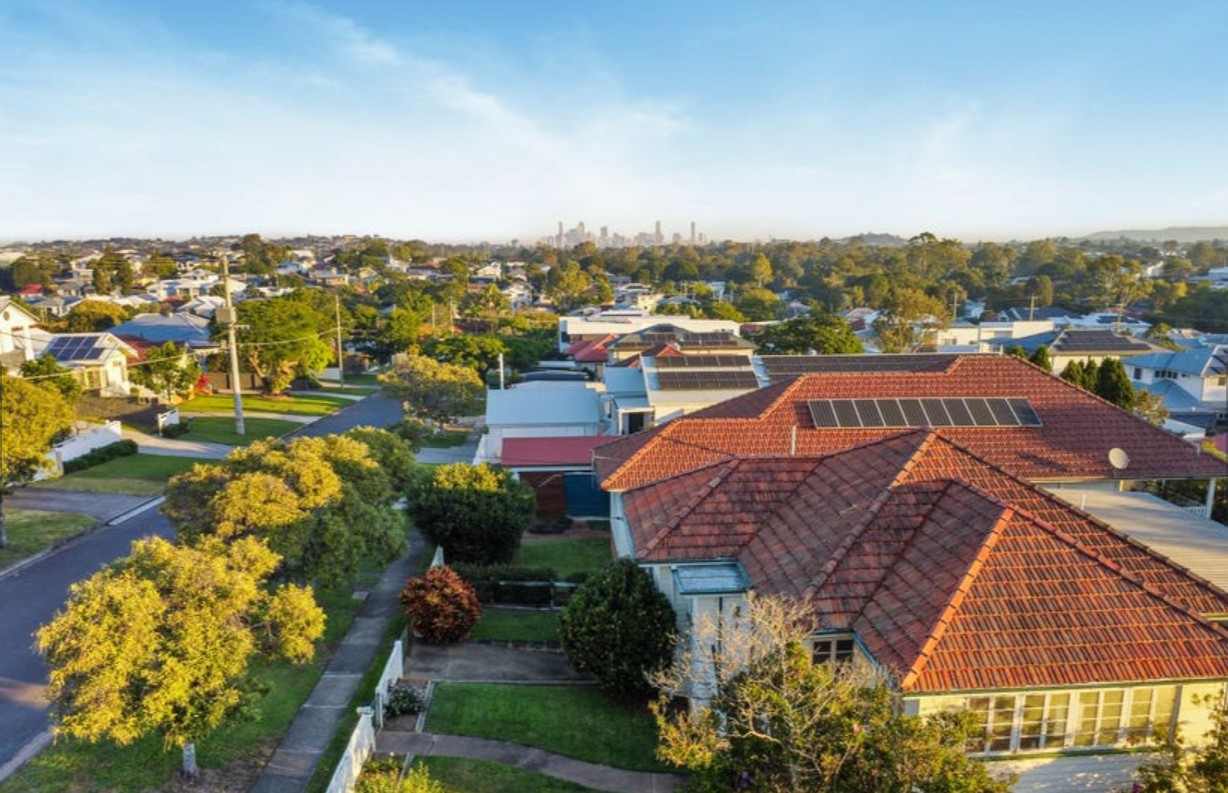
1. Wavell Heights
Est. Population: 11,148
Family Households: 75.8%
Av. Weekly Household Income: $2,615
Criminal Offences in Last Year: 340
Property market: Upper mid-range ($1.4M - $1.8M)
If you ask locals to describe Wavell Heights, the same words appear over and over: “friendly”, “safe” and rife with cosy café culture and blooming foliage.
Positioned only around 9km north of Brisbane’s CBD, Wavell Heights has become one of those increasingly rare suburbs that manages to feel interconnected yet quiet simultaneously. Families love that they can reach the city in under twenty minutes, yet still live on streets lined with mature trees, post-war homes and sprawling parks.
Homes are maintained beautifully, landscaped finishes are plentiful and renovations are thoughtful rather than investor-grade. People walk their dogs in the afternoons and stop for conversations at the cafés along Main Avenue and Bilsen Road (trust us, we see this every day on our way home from work!).
Locals consistently mention the suburb’s community feel, with one resident describing it as “an excellent place to raise your family,” praising the foliage-filled streets, friendly neighbours and easy access to both parks and the CBD. Another spoke about loving the bike tracks and walking paths into the city, while a couple noted how safe the suburb feels due to its lack of high-density development and strong residential character.
Families are also heavily drawn to the schooling options here. Wavell Heights State School remains highly sought after, while Wavell State High School continues building a strong reputation for both academics and sport, particularly through its Rugby League Program of Excellence. Nearby private option Our Lady of the Angels is also amongst LJBA’s ranks of top tier Brisbane schooling options.
Then there’s the lifestyle factor. Wavell Heights sits within easy reach of amenity-rich Chermside, Brisbane Airport and DFO, major hospitals like the Prince Charles, and key transport links. Meanwhile, it still retains a surprisingly village-like atmosphere.
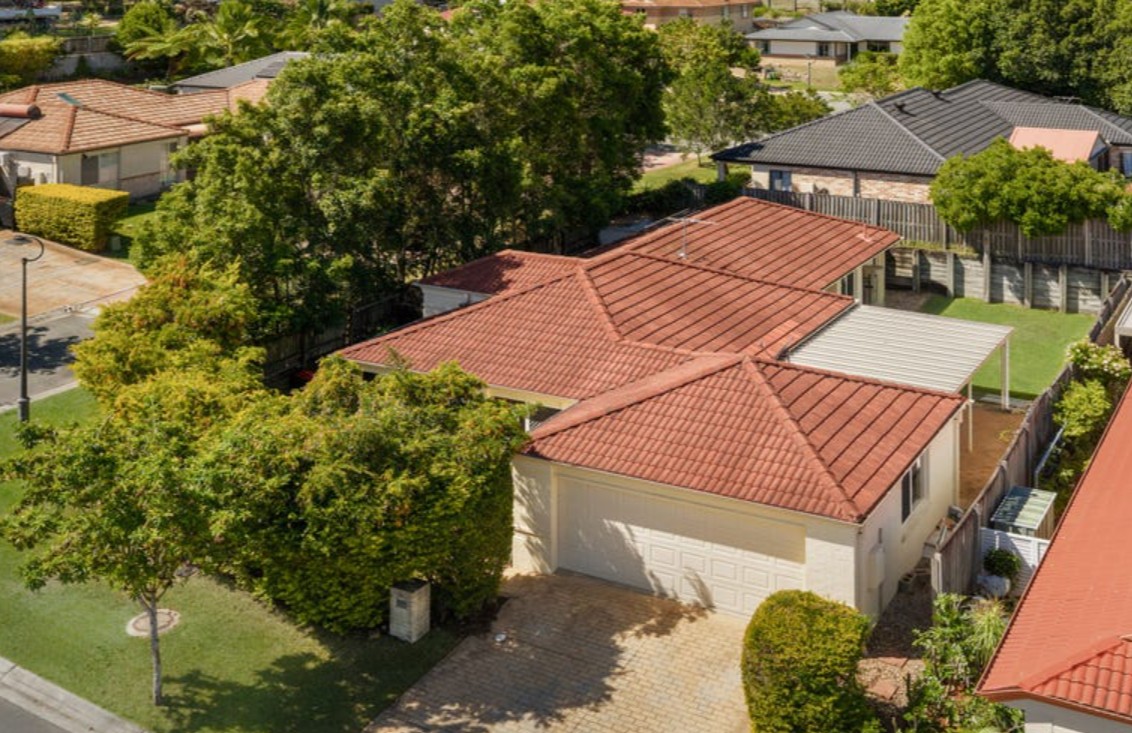
2. The Gap
Est. Population: 18,167
Family Households: 83%
Av. Weekly Household Income: $2,573
Criminal Offences in Last Year: 309
Property market: Upper mid-range ($1.4M - $1.8M)
The Gap has long been one of Brisbane’s most established family strongholds, tucked neatly between the rises of Mount Coot-tha and Enoggera Hill. Once you spend time there, it becomes obvious why.
There’s a softness to the suburb that’s difficult to manufacture. Nestled against bushland and rubbing shoulders with mountain ranges, The Gap feels noticeably removed from inner-city intensity. The air blows cleaner, the streets are quieter, children still run amuck in cul-de-sacs and many residents grow their own herb gardens, which are shared with neighbours.
Locals describe it as “a place people rarely leave”. One resident who has lived there since the 80’s explains that families on their street only ever seem to ‘leave’ when they passed away, with children often inheriting homes and staying within the suburb themselves.
The Gap’s enduring appeal largely comes down to balance. Families get larger blocks, greenery and a semi-rural atmosphere while remaining only around 10km from the CBD. Excellent schools such as The Gap State High School and Payne Road State School continue attracting strong owner occupier demand, while nearby private schooling options around Ashgrove and Bardon provide further schooling options.
But perhaps what locals love most is the lifestyle itself. Early mornings here involve cyclists and bikers heading toward Mt Nebo, children playing in parklands, locals grabbing coffee at the village centre, and families spending weekends hiking or picnicking around Enoggera Reservoir and Mt Coot-tha surrounds.
The Gap also benefits from tightly held housing stock and low-density planning. Unlike many Brisbane suburbs, it has largely resisted large-scale apartment development, which helps preserve both its streetscape and long-term scarcity.
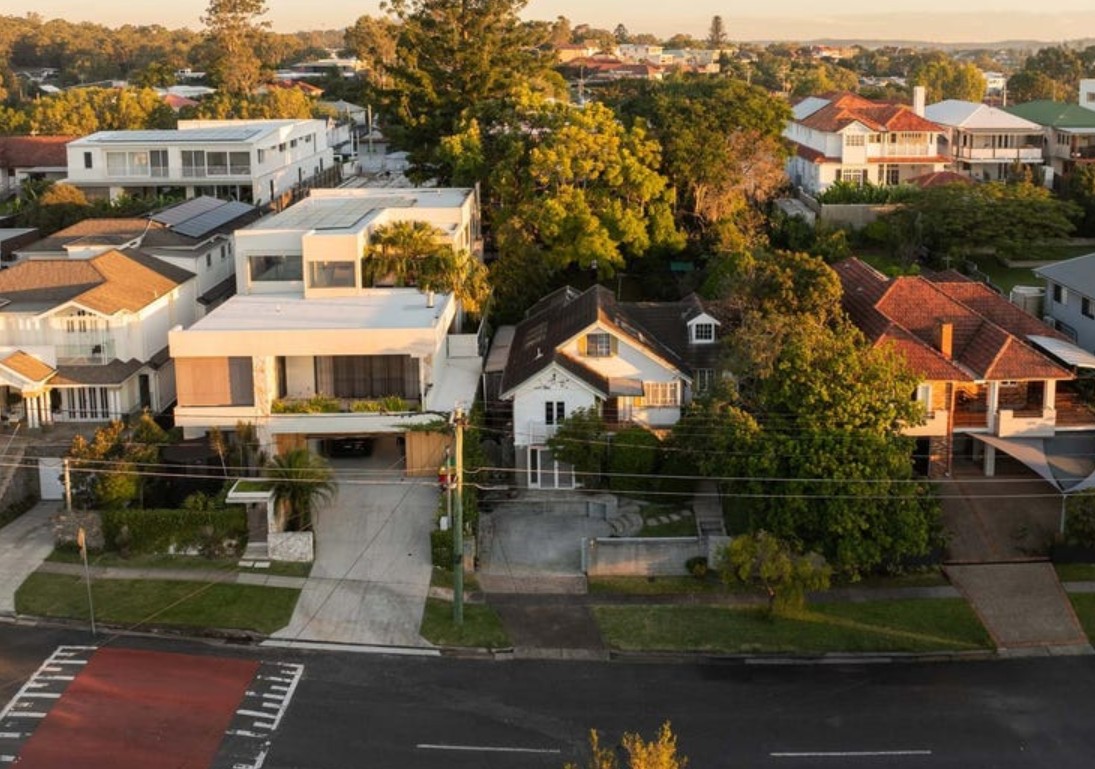
3. Camp Hill
Est. Population: 13,037
Family Households: 76.6%
Av. Weekly Household Income: $3,010
Criminal Offences in Last Year: 368
Property market: Premium ($1.8M+)
Camp Hill feels like the kind of suburb Brisbanites would tack to their vision boards when picturing an ideal future.
It’s got tree-line streets, sweeping verandas and ornate cornices, morning coffee catch-ups on Martha Street, and children skipping home from local parks before dusk. What more could a young family wish for?
The suburb has undergone enormous transformation over the past decade, evolving into one of Brisbane’s most desirable inner-east family markets while still retaining much of its original warmth and character. Residents consistently describe the suburb as community-driven and welcoming, with one highlighting how street Christmas parties and neighbours who actually know each other add to the appeal of it all. Another described Camp Hill as reminiscent of New Farm fifteen years ago; vibrant, family-friendly and increasingly full of young professional households choosing to settle long-term.
And then there’s the convenience. Camp Hill sits within easy reach of:
- the CBD
- Carindale
- Bulimba
- Coorparoo
- excellent schools
- sporting facilities
- dining precincts
Whites Hill Reserve—an open eucalyptus forest and dry rainforest—remains a huge lifestyle drawcard for active families. As well, Martha Street has become one of Brisbane’s most recognisable suburban café and dining precincts, while also being renowned for its boutique, quality retail.
Camp Hill benefits greatly from enduring owner occupier demand. Camp Hill residents enjoy enduring owner occupier demand here, and sleep easy knowing they have invested into a lifestyle ecosystem that continues attracting affluent professional families year after year.
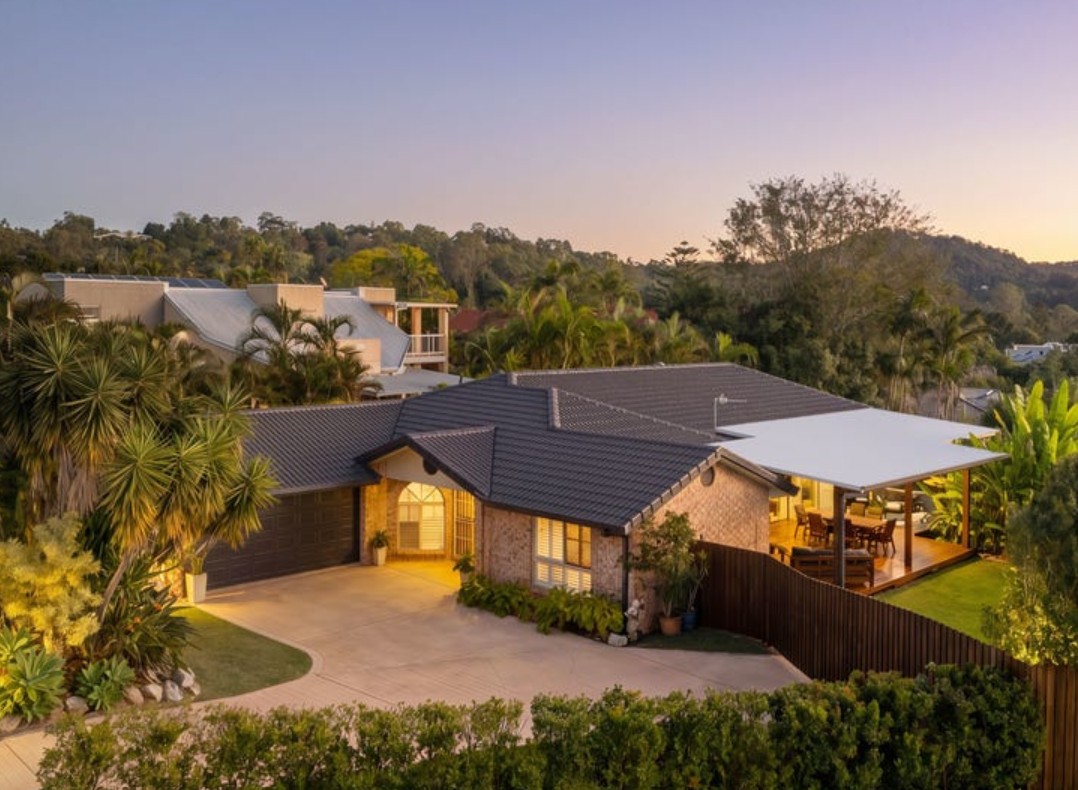
4. Brookfield
Est. Population: 3,749
Family Households: 86.8%
Av. Weekly Household Income: $3,778
Criminal Offences in Last Year: 43
Property market: Premium ($1.8M+)
Brookfield isn’t for everyone, which is exactly why the people who love it become fiercely loyal to it.
Positioned west of Brisbane’s inner suburbs, Brookfield offers something increasingly difficult to replicate anywhere near a capital city—true, uninterrupted tranquillity. We’re talking acreage homes, horse paddocks, rolling greenery and roads quiet enough you can hear the neighbours laughing over coffee. Not to mention, a calendar of community markets and the yearly appearance of the famous Brookfield Show, which features woodchopping, animal displays, a rodeo under the stars and equestrian rivalry.
One local who had lived there since the early 2000’s describes how Brookfield’s holy trinity of “peace, quiet and safety” trumps all else. Chatting to residents gave us a good feel for the warm, village atmosphere and the area’s strong sense of belonging.
We know that Brookfield particularly appeals to families seeking space and privacy without fully disconnecting from Brisbane’s wealth of amenities and opportunities. It’s less about convenience and more about sanctuary, buyers here are often prioritising lifestyle over proximity, accepting a slightly longer commute in exchange for a property that genuinely feels removed from urban tension. And because large landholdings this close to Brisbane remain exceptionally limited, Brookfield’s scarcity factor continues strengthening over time.
6. Upper Kedron
Est. Population: 6,577
Family Households: 92.4%
Av. Weekly Household Income: $2,980
Criminal Offences in Last Year: 48
Property market: Mid-Range to Upper-Mid Range ($1M-$1.4M+)
Fancy Brisbane’s convenience with a little more breathing room? Upper Kedron has the best of both worlds.
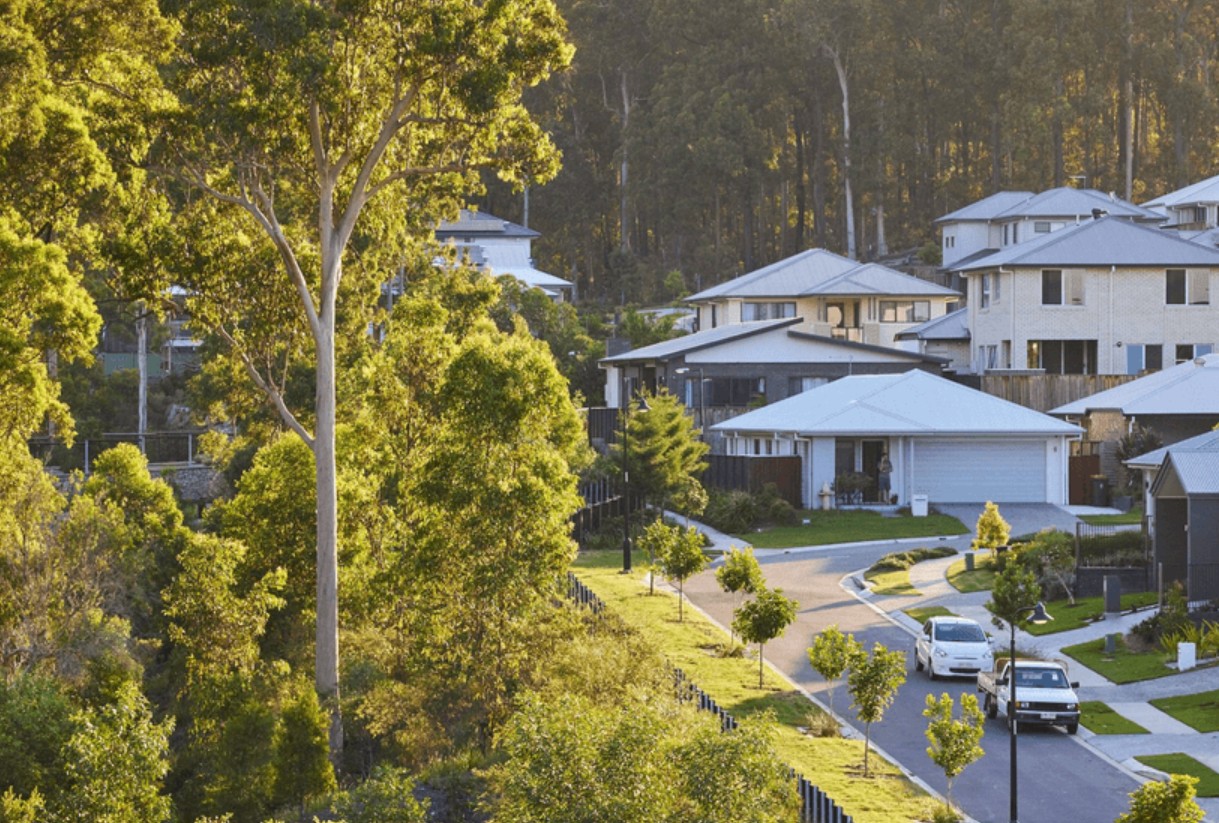
Positioned on the north-western edge of Brisbane, this suburb has become increasingly popular with buyers who love the idea of newer homes, bushland outlooks and a quieter residential atmosphere without fully surrendering access to the city. The Ellendale estate in particular has given Upper Kedron a more modern family identity, with newer builds, well-kept streets, strict design covenants and intentionally planned parks.
Locals describe the area as “peaceful”, “safe” and having a “warm feeling” to it, with young families drawn to homes backing onto private bushland or elevated pockets with leafy views. For buyers moving from the inner-city ring, the first impression is usually the quiet. There is less bustle and fewer distractions, which is exactly the point for many families choosing to settle here.
The trade-off, of course, is proximity to the CBD, as well as major shopping and dining precincts. Upper Kedron can feel slightly removed, with residents admitting it could use more cafés and local atmosphere as the suburb matures. But Ferny Grove is only a short drive away, providing access to established schools, local amenities and the train station for city commuting.
7. McDowall
Est. Population: 9,064
Family Households: 83.6%
Av. Weekly Household Income: $2,486
Criminal Offences in Last Year: 139
Property market: Upper-Mid Range ($1.4M-$1.8M)
This suburb has a very specific kind of charm. Let’s call it McDowall Magic—a named based off a reward system that this very author enjoyed at McDowall State School in her youth!
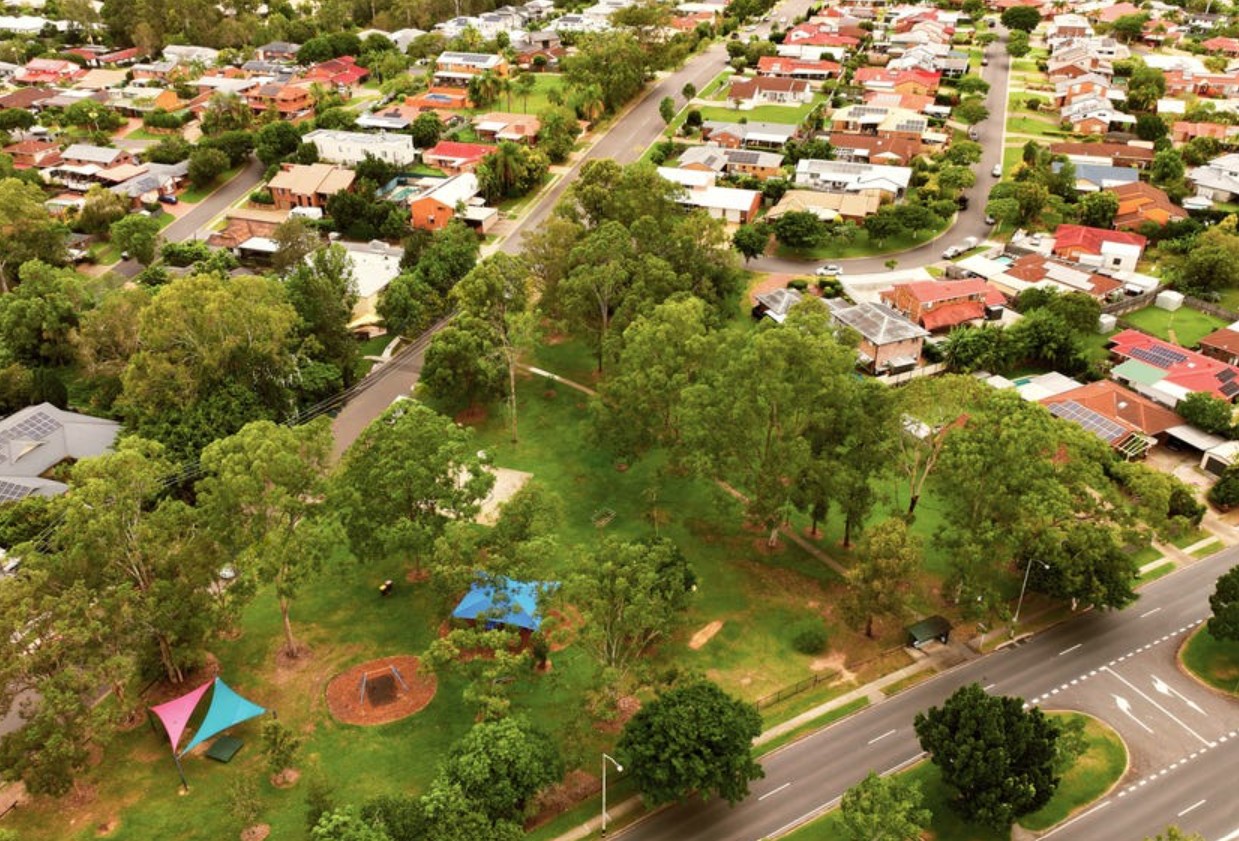
It is quiet without feeling disconnected, leafy without feeling remote, and established without feeling tired. McDowall is the sort of suburb where neighbours still say hello, children dress up for Halloween, and residents know which streets back onto parkland, which estates feel most tightly held, and which pockets families tirelessly compete for.
Local word of mouth consistently points to McDowall’s strong community spirit. Residents speak highly of McDowall State School (this author seconds that!), the surrounding conservation areas, and the suburb’s ability to offer green space without sacrificing access to major amenities. Bunyaville Conservation Park and Chermside Hills Reserve are major lifestyle anchors, giving families walking tracks, dog parks, playgrounds and weekend nature time right on their doorstep.
The Glendora and Paramount Estate areas are mentioned favourably by locals, particularly for their peaceful streets, nearby reserves and convenient access to shops, medical services and recreation. McDowall Village provides everyday practicality, while Westfield Chermside, Everton Park dining and surrounding schools keep the suburb connected to wider northside life.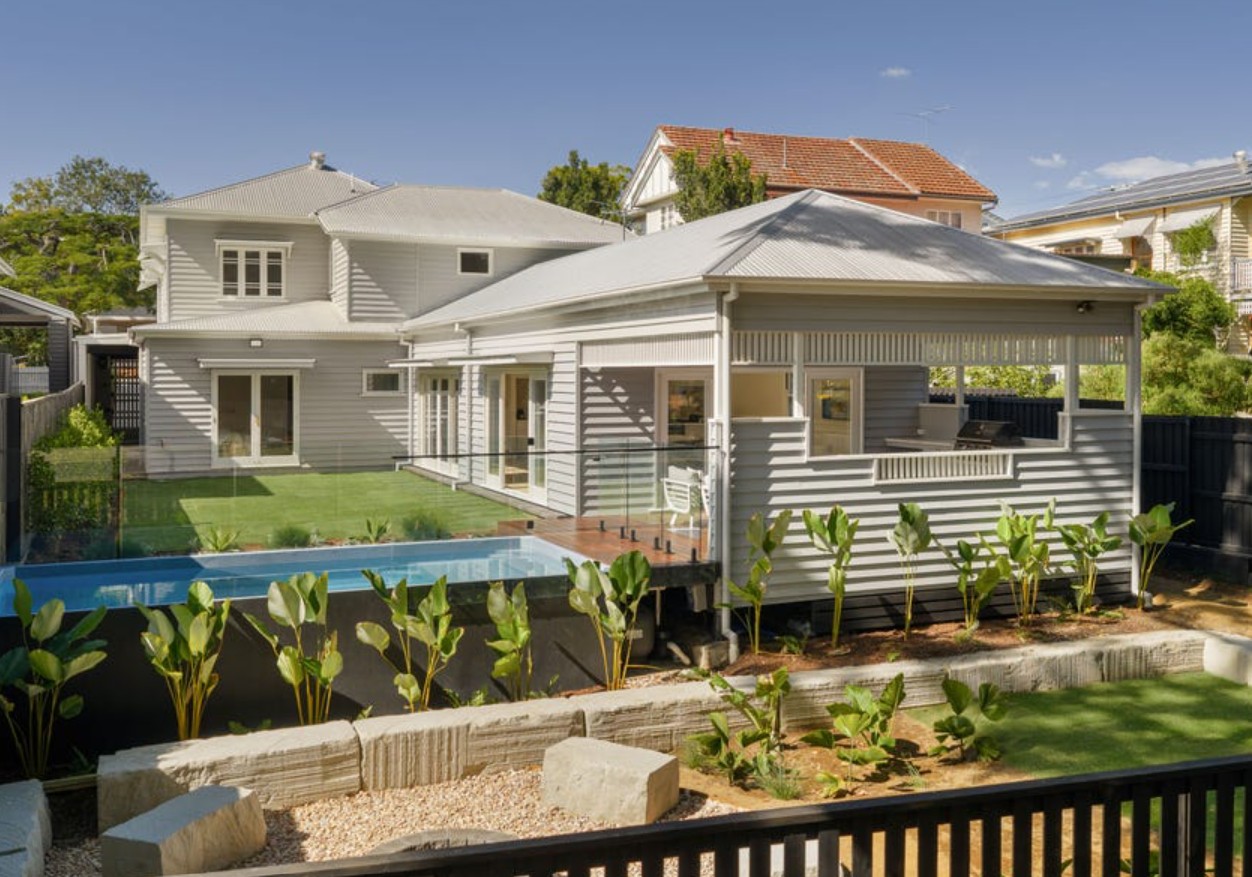
8. Ashgrove
Est. Population: 14,878
Family Households: 74.4%
Av. Weekly Household Income: $2,873
Criminal Offences in Last Year: 514
Property market: Premium ($1.8M+)
Ashgrove has long walked its own talk. Just five kilometres from the CBD, it offers the kind of inner-city family lifestyle that feels increasingly rare; character homes, leafy hills, respected schools, low-density streets and a village-style rhythm that has survived Brisbane’s rush toward apartment living.
The suburb is best known for its Ashgrovian Queenslander architecture, heritage character and established, prestigious streetscapes. Yet its real strength lies in the way lifestyle and education overlap. Families are drawn to the area for access to schools such as Marist College Ashgrove, Mt St Michael’s College, Oakleigh State School and surrounding public and private options. For many buyers, Ashgrove is a schooling strategy, lifestyle decision and long-term wealth play wrapped into one.
Local sentiment is overwhelmingly tied to convenience and calm. Residents describe safe streets, such as Oakleigh Park, village-like school community feel, parks for children, quality medical facilities, cafés, gyms, banks, shops and easy express bus access into the city. One of Ashgrove’s greatest strengths is what it does not have in excess—late-night entertainment chaos. For families, that absence is as valuable as any amenity.
9. Bald Hills
Est. Population: 8,372
Family Households: 78.7%
Av. Weekly Household Income: $1,931
Criminal Offences in Last Year: 377
Property market: Entry-Level / Mid-Range ($800K-$1.2M)
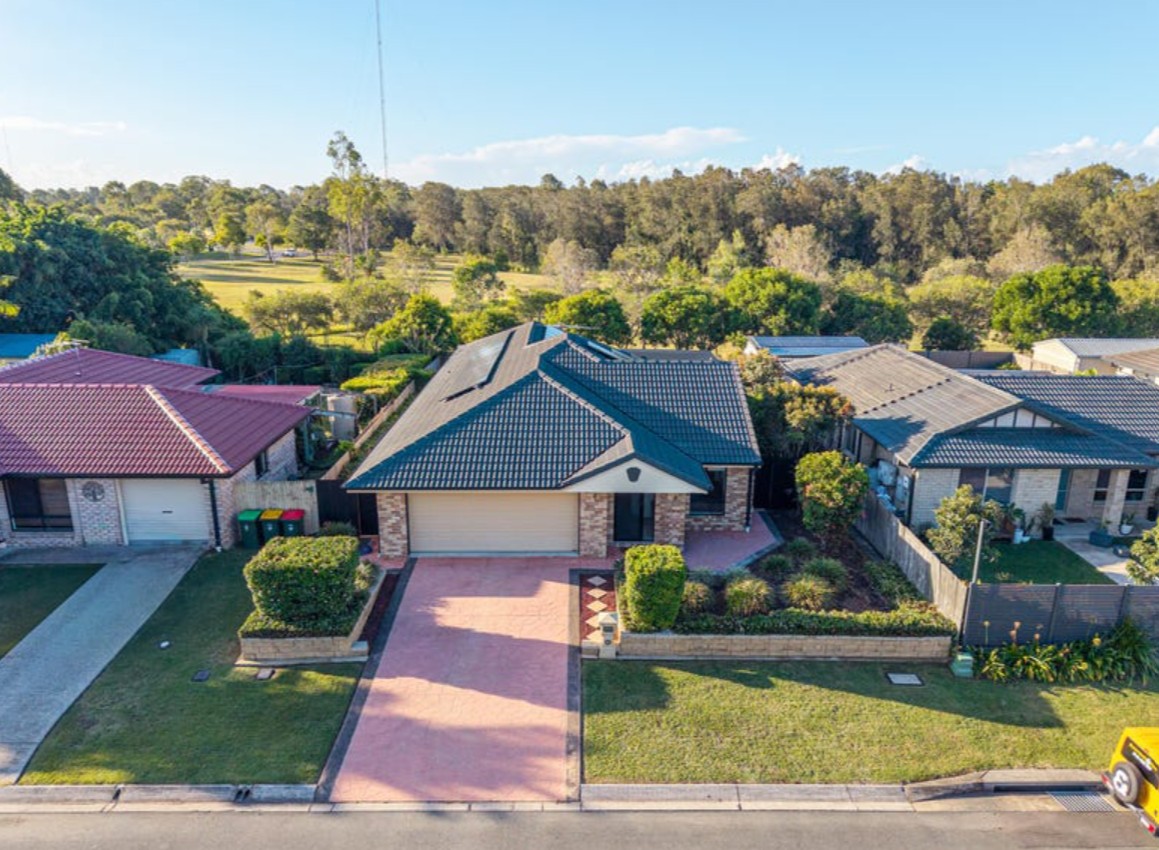
Contrary to its name, Bald Hills is anything but void of greenery. Positioned around 16 kilometres north of the CBD, it offers strong road access, train and bus connectivity, proximity to the airport and convenient links to the Sunshine Coast. For young families priced out of more central suburbs, Bald Hills can feel like a practical relief—affordable enough to consider, established enough to feel settled, and connected enough not to feel forgotten.
Locals regularly mention the suburb’s ease of living. There are parks nearby, local coffee spots, pizza places, the notorious Bonny View Hotel and pub, and strong access to surrounding shopping precincts. Families also value the presence of St Paul’s School, known for its expansive campus, co-curricular offerings and innovative learning reputation.
The suburb’s community feel is stronger than outsiders may assume, with residents speaking about knowing everyone in their street, having active neighbourhood watch groups and a general feeling of safety. The nearby Pine River, Deep Water Bend and riverside walking areas also add lifestyle depth, giving the suburb more outdoor appeal than its modest profile suggests.
Bald Hills may not carry the polished prestige of inner Brisbane, but for families wanting connectivity and comfortable space to grow, it remains a sensible and underrated northside option.
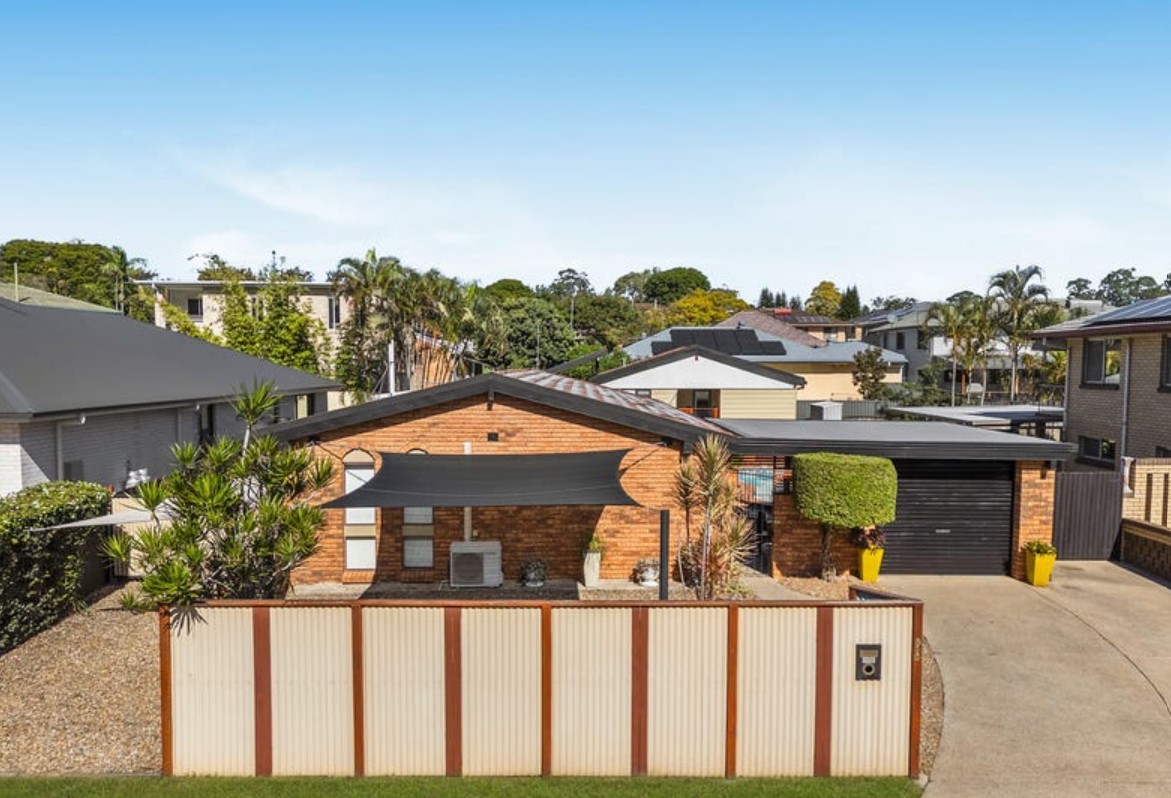
10. Mansfield
Est. Population: 9,309
Family Households: 68.5%
Av. Weekly Household Income: $1,325
Criminal Offences in Last Year: 484
Property market: Upper-Mid / Premium ($1.4M-$1.8M+)
For plenty of families, Mansfield’s appeal begins with Mansfield State High School, a consistently sought-after public school known for academic performance, traditional values and respected excellence programs across music, sport and science. But to reduce Mansfield to schooling alone would miss the larger picture.
This is a suburb that offers genuine suburban convenience. Families have access to Garden City, Carindale, local restaurants, Metropol shopping, parks, sporting facilities and quick connections to the M1 and M3. Tillack Park, Broadwater Park and nearby recreational spaces give families room to move, while the surrounding suburbs of Carindale, Mount Gravatt East and Wishart help reinforce Mansfield’s broader desirability.
Locals describe Mansfield as “the perfect blend of suburban tranquillity and urban convenience. There is a strong sense of neighbourly community, supported by long-term residents, family households and well-maintained streets. The suburb feels practical rather than flashy, which is exactly why so many families trust it. One local describes its public transport network as being an added drawcard that makes coming and going easy breezy.
For buyers, Mansfield’s strength lies in its resilience. School catchments of this calibre create demand that rarely disappears, particularly among owner occupiers willing to compete for long-term educational access. That makes Mansfield not just a family-friendly suburb, but a strategic property market for long-term holding investors, too.
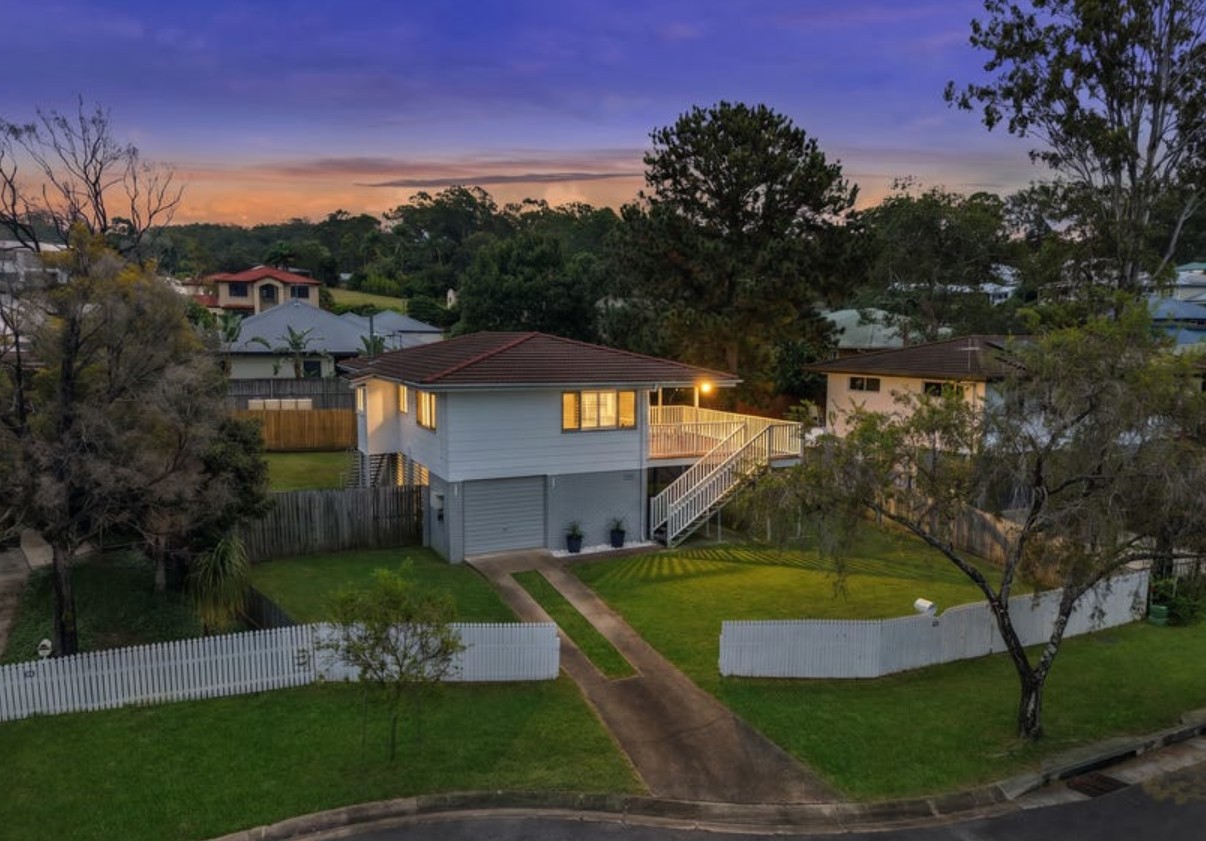
11. Ferny Grove
Est. Population: 6,125
Family Households: 82.8%
Av. Weekly Household Income: $2,183
Criminal Offences in Last Year: 219
Property market: Mid-Range / Upper-Mid Range ($1M-$1.4M+)
For families relocating from inner Brisbane or interstate, Ferny Grove introduces itself as a gentle surprise. It is abundantly leafy green, calm and practical, with reliable train access into the city via Ferny Grove Station and a noticeably welcoming community culture. Several locals describe moving there with young families and quickly feeling a sense of relief that they’d moved there.
For Sydney and Melbourne relocators especially, Ferny Grove can feel like a lifestyle upgrade—more bedrooms, more greenery, more serenity, and a commute that doesn’t make your eyes roll.
Schools, kindergartens and local events contribute to the suburb’s family identity. Yes, school traffic can be part of the trade-off, and community events occasionally bring noise, but locals tend to frame this as part of the suburb’s life rather than a drawback. Ferny Grove feels active in a wholesome way.
As infrastructure around the transport hub continues to improve, the suburb’s accessibility and convenience are likely to become even stronger.
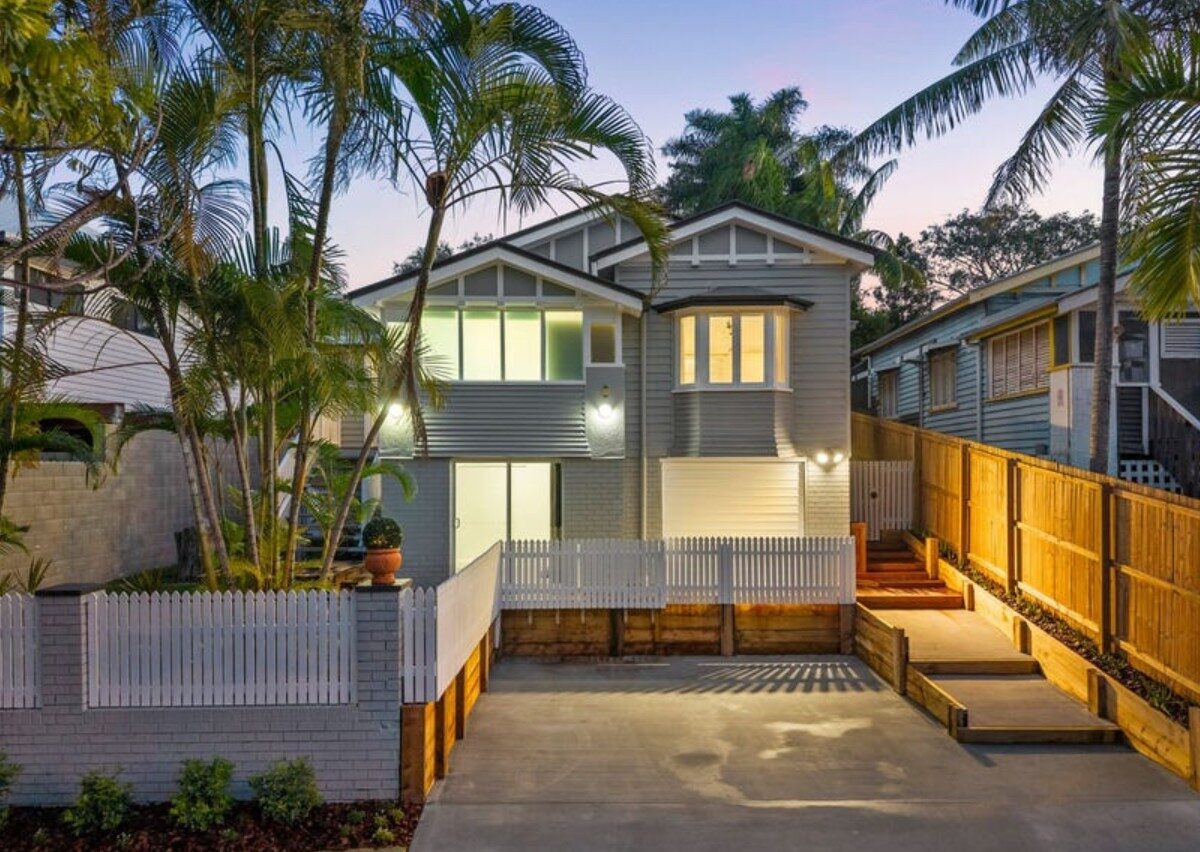
12. Alderley
Est. Population: 7,251
Family Households: 66.1%
Av. Weekly Household Income: $2,347
Criminal Offences in Last Year: 606
Property market: Premium ($1.8M+)
Only around seven kilometres from the CBD, Alderley is the kind of place where people wave on the walk to the train station, neighbours take in mail when someone is away, and children can ride bikes to school through established streets and parkland corridors.
Local sentiment around Alderley is consistently warm. Residents talk about birdlife, gum trees, lorikeets, cockatoos and morning walks to the station. Families relocating from Sydney often describe it as the suburb that gave them what they were searching for in Brisbane: transport, parks, community and proximity to everything without sacrificing a sense of safety.
Alderley’s connectivity is a major advantage. The train provides direct city access, while Newmarket Village, Ashgrove, Chermside and surrounding café precincts all sit within easy reach. Grinstead Park is frequently praised by families, with play equipment, bike tracks, barbecue areas, sporting courts and open space making it a genuine community anchor.
Schooling also supports demand, with Enoggera State School, Hillbrook Anglican School and nearby education options pleasing young families.
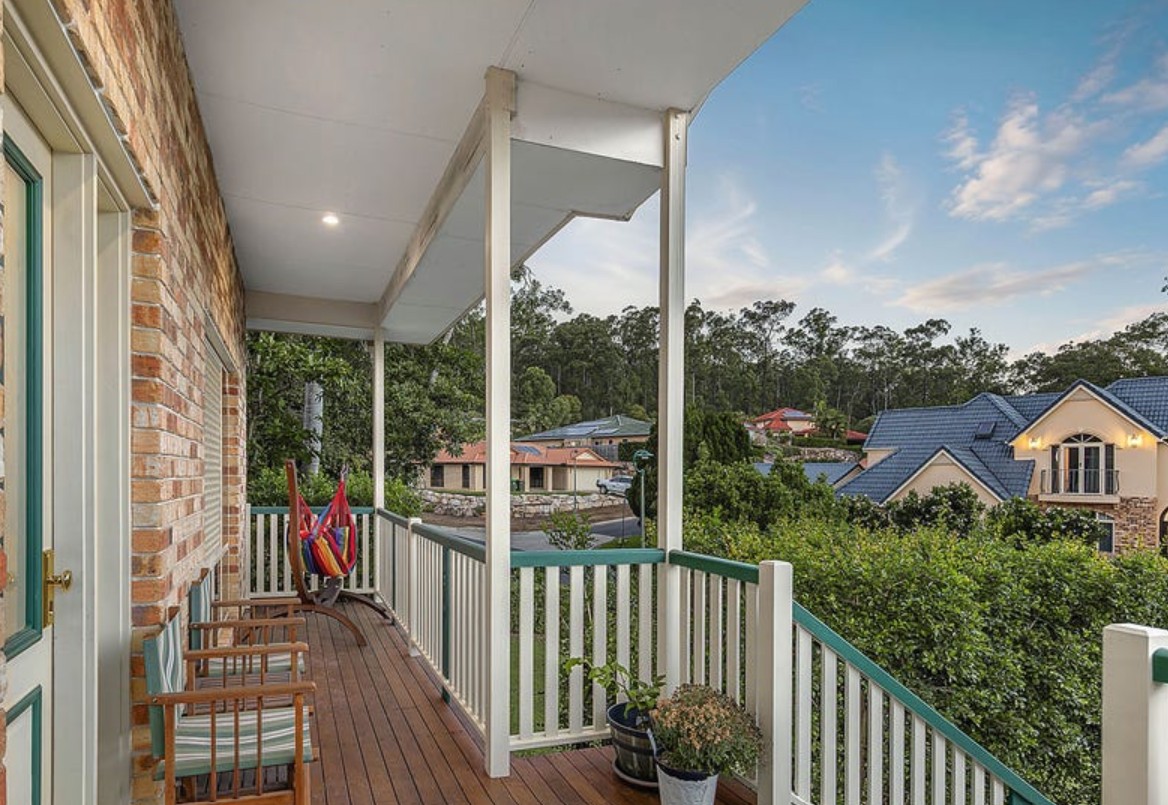
13. Albany Creek
Est. Population: 17,562
Family Households: 81.3%
Av. Weekly Household Income: $2,267
Criminal Offences in Last Year: 265
Property market: Mid-Range ($1M-$1.4M)
This one’s a north Brisbane classic.
Albany Creek offers the parks, schools, sporting clubs, shopping centres and friendly streets that young families spend months trying to find. It is established, practical and community-focused, with enough convenience to make daily life easy and enough greenery to make weekends feel slower.
Locals consistently describe Albany Creek as clean, safe and friendly. Families mention walking trails, bike paths, Bunyaville Conservation Park, Albany Creek Leisure Centre (this author grew up loving this place), gymnastics, swimming, local shopping centres and strong access to South Pine Sports Complex. There is a sense here that children can grow through different stages of life without families wanting to relocate every few years. One local commented that they’d resided comfortably in Albany Creek for 15 years and loved it!
The suburb’s housing mix also supports broad appeal, with older family homes, renovated properties and newer pockets giving buyers options depending on budget and lifestyle. Some locals describe distinct sections within the suburb, which again reinforces the importance of street-level research rather than judging by suburb name alone!
Albany Creek’s greatest strength may be its balance. It feels relaxed and residential, yet remains close to Chermside, major roads, schools, parks and everyday amenities. For families seeking a peaceful northside suburb where community life feels active and enthusiastic but not overwhelming, Albany Creek remains a long-standing favourite.
14. Sandgate
Est. Population: 6,979
Family Households: 72.4%
Av. Weekly Household Income: $1,822
Criminal Offences in Last Year: 466
Property market: Mid-Range / Upper-Mid Range ($1M-$1.4M+)
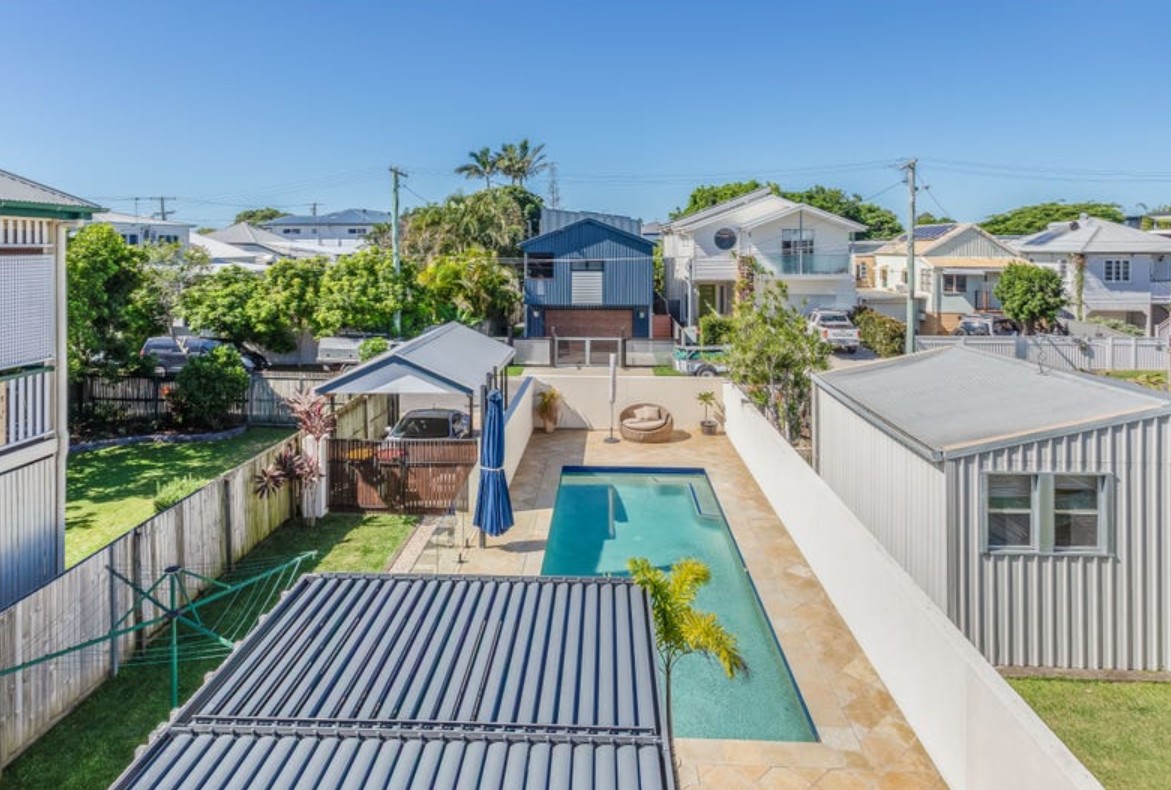
Set along Brisbane’s northern bayside, Sandgate is described by one local as a “charming little town” and by another as the perfect spot for their “forever home”. It offers coastal boardwalks, village cafés, weathered Queenslanders and jumbo-sized heritage homes along the waterfront, weekend markets and a community culture that feels more like a small town than a suburb. For families wanting lifestyle without leaving Brisbane altogether, Sandgate holds powerful emotional appeal.
Locals describe it as friendly, relaxed and deeply community-oriented. People support local businesses, walk the foreshore, use the train for a straightforward city commute and often speak about choosing Sandgate as encouraging a healthy outdoorsy lifestyle. See, the suburb’s walkability is one of its biggest strengths. Families can access schools, shops, cafés, parks and the waterfront without constantly relying on the car. That kind of ease is becoming increasingly valuable in Brisbane’s family market.
15. Stafford Heights
Est. Population: 7,327
Family Households: 74.6%
Av. Weekly Household Income: $2,091
Criminal Offences in Last Year: 319
Property market: Mid-Range ($1M-$1.4M)
Our good friend Stafford’s encroaching neighbour!
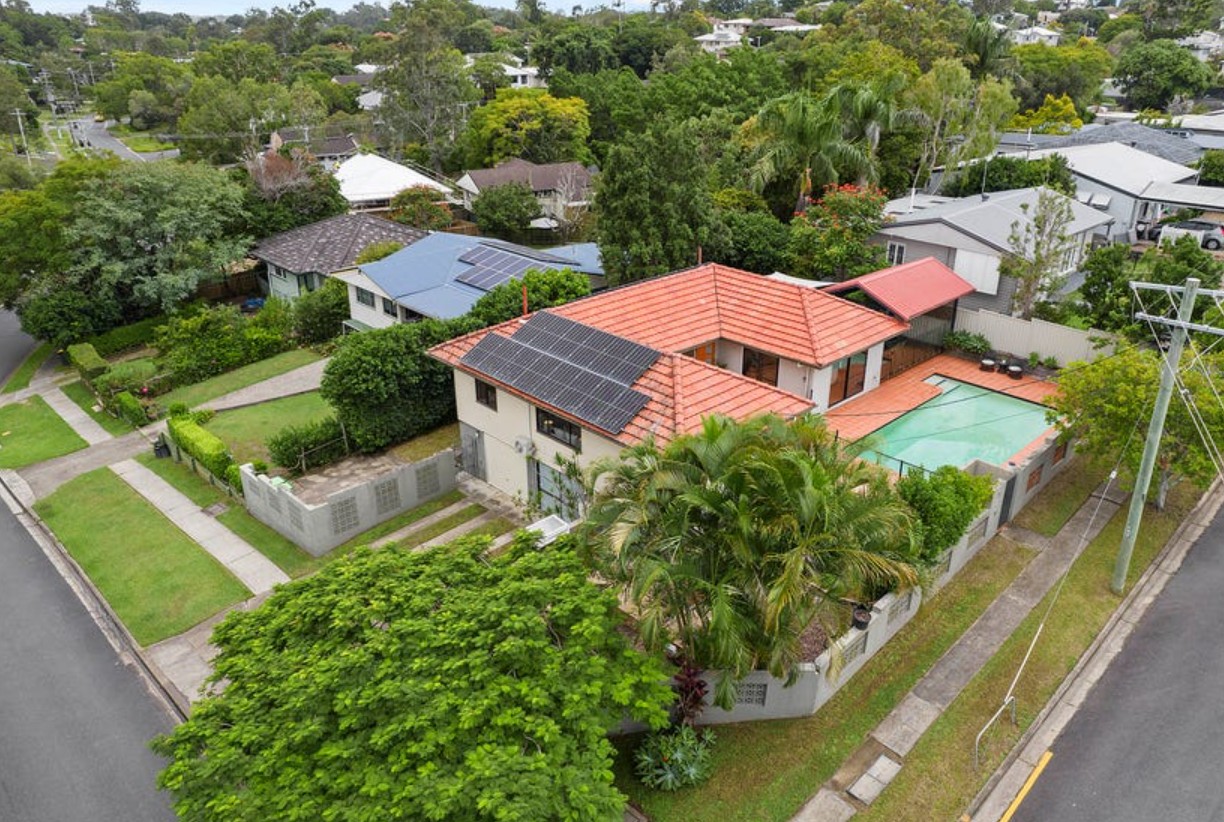
Once overlooked in favour of better-known northside neighbours, Stafford Heights is now increasingly attracting young professionals and families renovating post-war homes, raising children near parks and taking advantage of its proximity to almost everything.
The lifestyle case is strong. Stafford Heights sits close to Westfield Chermside, Stafford City, Brookside, the Airport Link, the CBD, Fortitude Valley and the Bruce Highway connection. It offers green streets, local cafés, dog parks and access to several primary school options, while still feeling more relaxed than suburbs closer to major entertainment precincts.
Locals often describe the area as leafy, connected and community minded. Several mention knowing their neighbours, seeing children play together and watching the suburb gradually improve as older homes are renovated and long-term residents mix with younger families.
There are still pocket by pocket differences, and some buyers may carry old assumptions about particular sections of Stafford Heights. But local word of mouth suggests the suburb’s broader story is one of renewal, pride and increasing owner occupier confidence, which is one of the strongest fundamentals a suburb can have!
For families wanting a northside suburb close to major amenities without paying premium inner-ring prices, Stafford Heights might be the middle-ring opportunity you’re looking for.
16. Kenmore
Est. Population: 10,333
Family Households: 80.8%
Av. Weekly Household Income: $2,491
Criminal Offences in Last Year: 238
Property market: Upper-Mid Range ($1.4M-$1.8M)
Kenmore gets LJBA’s all-rounder award for family-friendly suburb appeal!
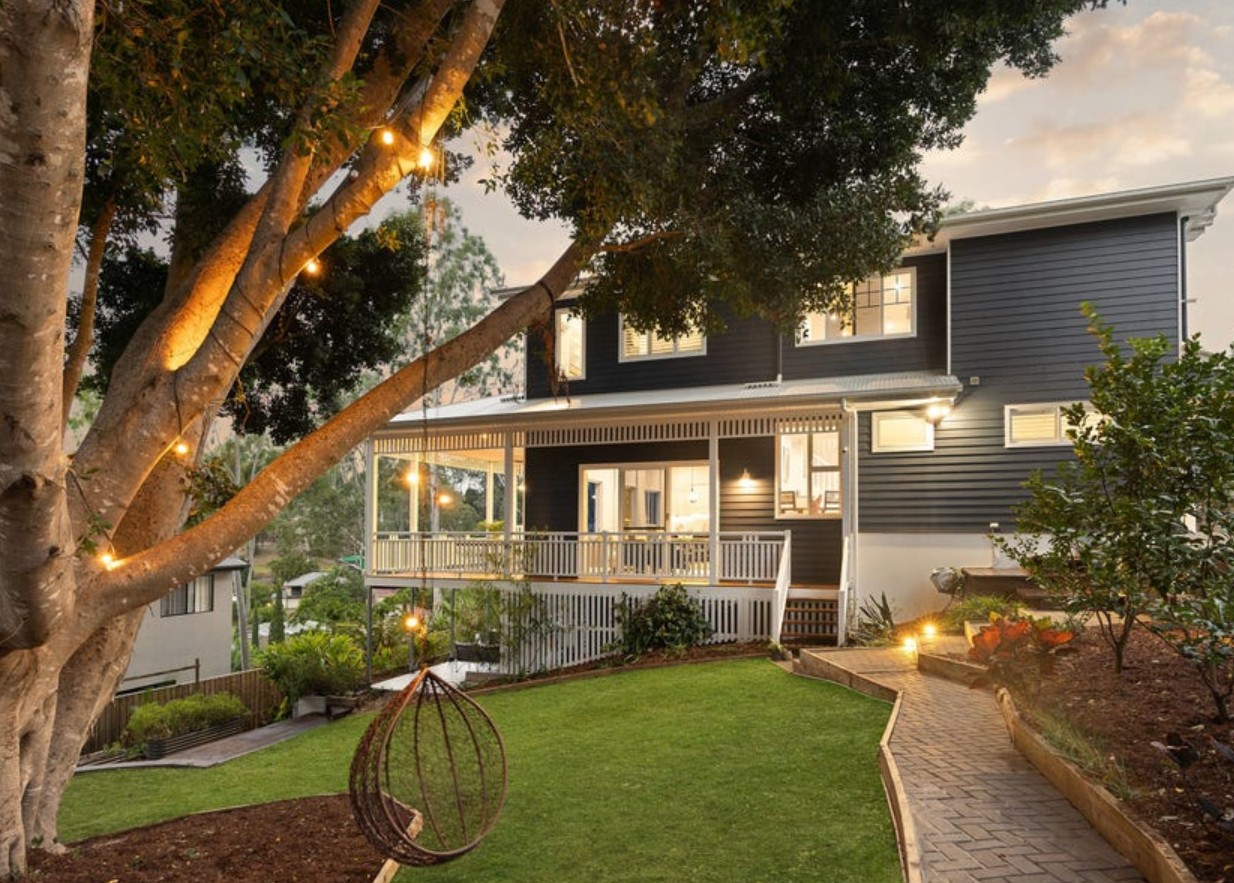
Leafy, established and subtly affluent, the suburb offers generous blocks, the company of feathered friends and rustling leaves, friendly streets and excellent access to both the western suburbs and the CBD. It feels removed from inner-city intensity without feeling inconvenient (at all!), which is exactly why so many families settle here for the long haul.
Education is a major driver of Kenmore’s appeal. Kenmore State High School, Kenmore South State School and nearby private and public options give families confidence in the suburb’s schooling pathway. Local shopping centres, cafés, churches, sporting clubs and walking trails help create the kind of self-contained suburban lifestyle many families actively seek.
Residents often describe Kenmore as feeling like a safe haven. A bubble of community-oriented residents. People stop to talk in the street and children grow up with sufficient breathing room. Kenmore is known for being home to a majority of weatherboard, non-heritage listed, older homes on large blocks. Some have maintained their ‘blank canvas’, and many have also been renovated and revamped into “something great”. You would need an eagle eye to find two homes that look the same in this suburb! Its hilly topography also gives many pockets a sense of privacy and separation from busier roads.
Kenmore is far from the loudest suburb in Brisbane’s property conversation, but it does not need to be. Its strength lies in consistency. For families prioritising schools, greenery and long-term liveability, Kenmore remains one of Brisbane’s most reliable western suburbs.
17. Eatons Hill
Est. Population: 8,022
Family Households: $2,771
Av. Weekly Household Income: 90.8%
Criminal Offences in Last Year: 81
Property market: Mid-Range ($1M-$1.4M)
Ah, the sweet spot between bushland calm and suburban convenience. That’s Eaton Hills in a nutshell!
Set beside Albany Creek and within easy reach of Samford, Chermside, Brookside and major road connections, it has become increasingly appealing to buyers wanting larger homes, leafy streets and a strong community atmosphere without paying inner-city premiums.
Locals often describe the area as beautiful, peaceful and family-friendly. Parks, bike tracks and green corridors are a major part of the suburb’s appeal, making it a great place for exercise enthusiasts to lay down roots. Locals also enjoy a live music scene, which is contained to the ever-popular Eatons Hill Hotel.
Eatons Hill State School is frequently praised by families for its strong local reputation. The suburb also benefits from proximity to local shopping and dining precincts, Wantima Golf Course and nearby recreational facilities, adding more lifestyle depth than buyers might expect.
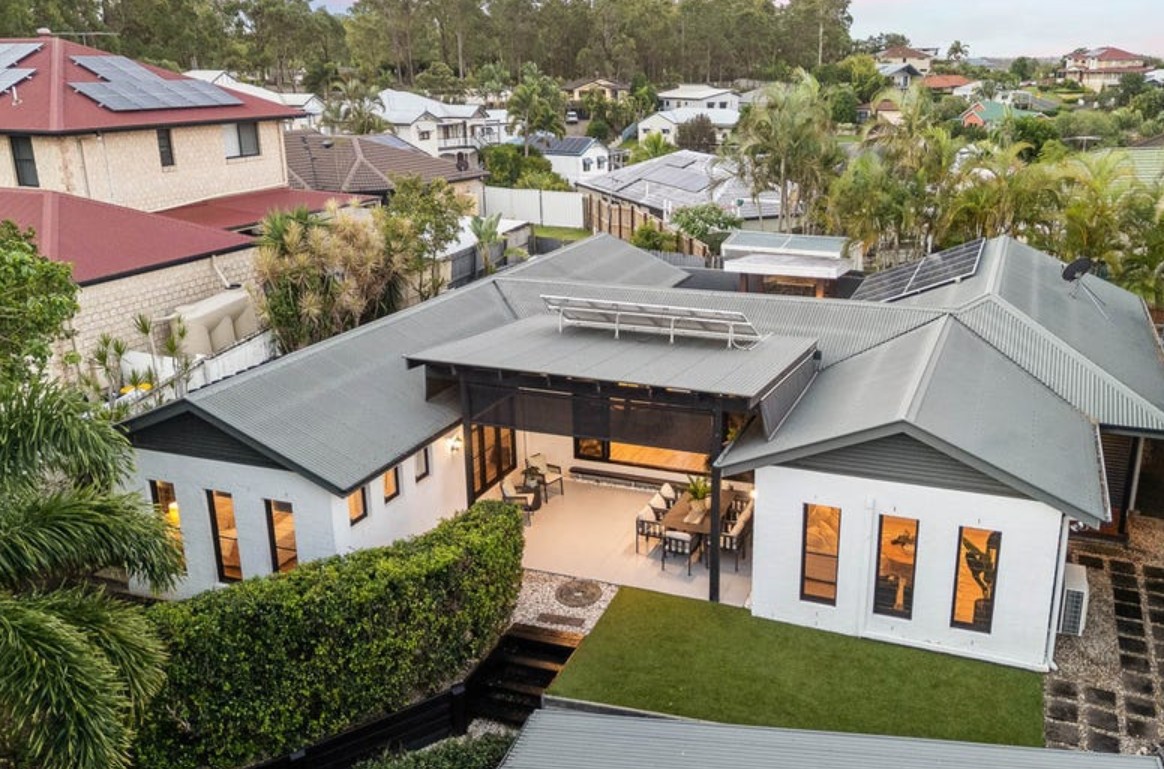
There is a slightly elevated, established feel to parts of Eatons Hill, with larger blocks and individually designed homes giving certain streets a more bespoke character. Morning walkers, families at parks and children cycling through quiet streets all contribute to the suburb’s relaxed residential identity.
For buyers seeking a family suburb that feels close to nature but still connected to everyday amenities, Eatons Hill continues to offer strong lifestyle appeal and relative value compared with Brisbane’s more central family markets.
How do I secure a home in Brisbane’s most family friendly suburbs?
Buying the right home to raise your family in isn’t rocket science, but it does take significant insider knowledge and local prowess. It takes deep understanding of which locations will continue attracting families, holding demand, and supporting long-term value well into the future. The reality is that most buyers simply don’t have the time, tools or market insight to thoroughly assess every layer of a suburb—from school catchments and infrastructure pipelines through to flood exposure, zoning risks and street by street desirability.
That’s where having a buyer’s agent in your corner can become incredibly valuable. Sifting through all these nuances is literally our full-time jobs! We know Brisbane’s fundamentals inside out, as well as the exact micro-pockets that might align with any given brief.
If you want a partner in property who can help you purchase with confidence and tailored strategy, we’re right here!